
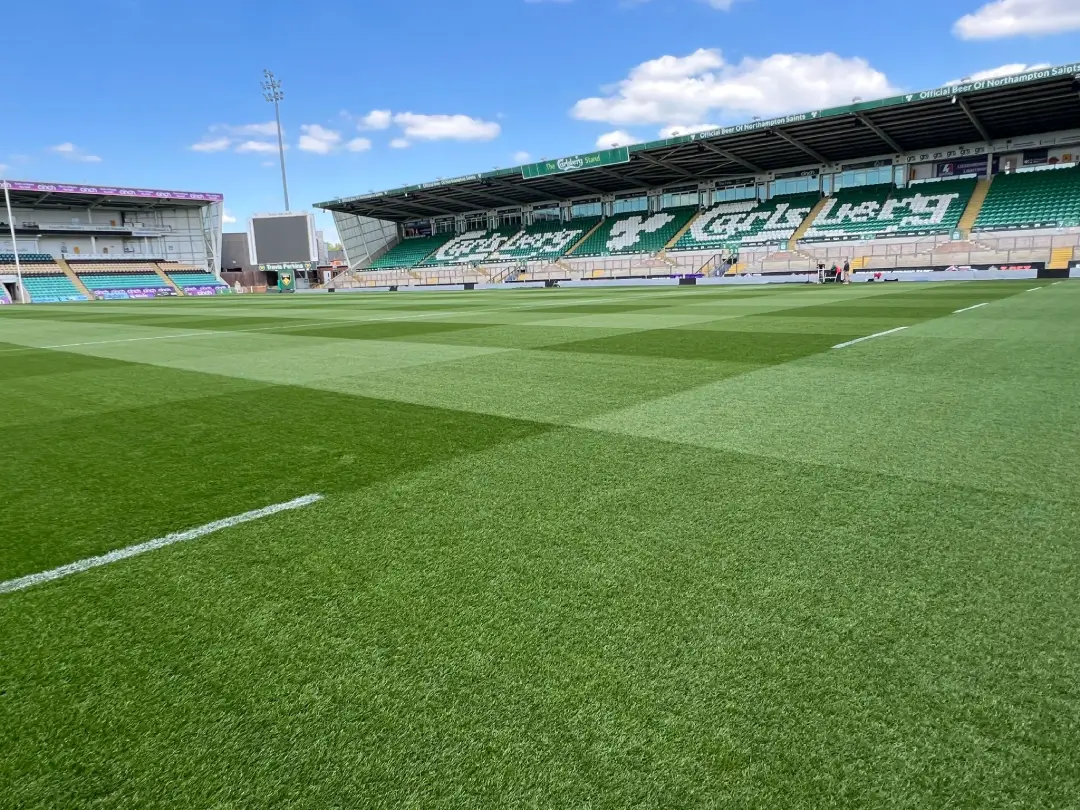
The Importance of Spring Renovation
Spring renovation represents the most important maintenance window in the groundscare calendar. Done properly, comprehensive spring work repairs winter damage, improves surface characteristics, and establishes vigorous turf that performs throughout the coming season.
Timing Your Renovation
Timing renovation work requires careful judgment. Starting too early risks cold soil temperatures that prevent germination and establishment. Waiting too long compresses the available growing window before fixtures resume. Most UK sites find optimal conditions during April and early May when soil temperatures consistently exceed 8°C and daylight hours support vigorous growth. However, local climate variations mean experienced agronomists adjust timing based on actual site conditions rather than calendar dates alone.
Intensive Cultivation Work
Comprehensive renovation begins with aggressive cultivation that addresses compaction and creates favourable seedbed conditions. Deep scarification removes thatch accumulation and organic matter buildup that creates soft, inconsistent surfaces. Verti-draining or deep spiking breaks through compacted layers, improving drainage and root development. These intensive operations temporarily compromise appearance but prove essential for long-term surface quality.
Seed Selection and Application
Overseeding selection impacts performance throughout the following season. Modern perennial ryegrass cultivars offer improved wear tolerance, disease resistance, and aesthetic quality compared to varieties from even a decade ago. Seed mixture specifications should match expected usage—football pitches need maximum wear tolerance, while cricket outfields might prioritise fine texture and density. Application rates typically range from 25-50g/m² depending on existing turf density and desired establishment speed.
Topdressing Strategy
Topdressing following cultivation and seeding provides multiple benefits. Sand-based topdressings improve surface firmness and ball response while gradually modifying soil characteristics toward better drainage. Working topdressing into the surface through brushing or light harrowing integrates new material while protecting seed from bird predation. Application rates between 2-5kg/m² allow meaningful improvement without smothering existing turf.
Fertiliser Program Design
Fertiliser programs during renovation require careful planning. Pre-seeding applications should emphasise phosphate for root development rather than excessive nitrogen that encourages soft growth. Once germination occurs, nitrogen becomes critical for rapid establishment. Slow-release formulations provide steady nutrition throughout the establishment period, typically 6-8 weeks for ryegrass under favourable conditions.
Irrigation Management for Success
Irrigation management makes or breaks renovation success. Newly sown areas need consistent moisture to support germination and establishment. However, waterlogging prevents root development and encourages disease. Modern irrigation controllers allow precise, frequent applications that maintain optimal moisture without saturation. Hand watering supplements automated systems in problem areas or during equipment constraints.
Protection During Establishment
Protection strategies during establishment prevent damage to immature turf. Limiting foot traffic and avoiding early mowing allows young plants to develop strong root systems. First mowing should occur once new grass reaches appropriate height, using sharp equipment to avoid pulling tender seedlings. Gradual reduction toward normal cutting heights over subsequent weeks allows progressive hardening without shocking young plants.
Ongoing Monitoring and Management
Post-renovation monitoring guides ongoing management decisions. Regular inspections identify establishment problems early when corrective action remains possible. Bare patches may need additional seed. Disease symptoms require prompt treatment. Nutrient deficiency signs guide supplementary fertiliser applications. This active management during the critical establishment period determines whether renovation delivers expected improvements or falls short through neglect during vulnerable early stages.